





Third Party Elections
Election Years in which a third party candidate walked away with any amount of Electoral votes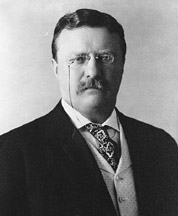
Party: Progressive
Popular Vote: 4,119,207 (27.4%)
Electoral Votes: 88
States: Michigan, Minnesota, South Dakota, Washington, Pennsylvania, California (split)
*Roosevelt actually beat Democratic candidate William Howard Taft in the Electoral College;
Taft received only 8 votes
Popular Vote: 4,119,207 (27.4%)
Electoral Votes: 88
States: Michigan, Minnesota, South Dakota, Washington, Pennsylvania, California (split)
*Roosevelt actually beat Democratic candidate William Howard Taft in the Electoral College;
Taft received only 8 votes
Back to Top
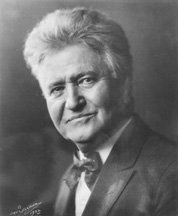
Party: Progressive
Popular Vote: 4,822,856 (16.6%)
Electoral Votes: 13
States: Wisconsin
Popular Vote: 4,822,856 (16.6%)
Electoral Votes: 13
States: Wisconsin
Back to Top
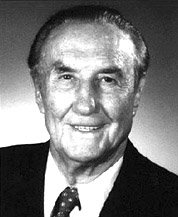
Party: Dixiecrat
Popular Vote: 1,176,125 (2.4%)
Electoral Votes: 39
States: Alabama, Louisiana, Mississippi, South Carolina, Tennessee (split)
Popular Vote: 1,176,125 (2.4%)
Electoral Votes: 39
States: Alabama, Louisiana, Mississippi, South Carolina, Tennessee (split)
Back to Top
1960
Candidate: Harry Flood Byrd
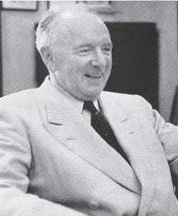
Party: Democrat
Popular Vote: 116,248 (0.2%)
Electoral Votes: 15
States: Mississippi, Alabama (split), Oklahoma (split)
Candidate: Harry Flood Byrd
Party: Democrat
Popular Vote: 116,248 (0.2%)
Electoral Votes: 15
States: Mississippi, Alabama (split), Oklahoma (split)
Back to Top
1968
Candidate: George Corley Wallace
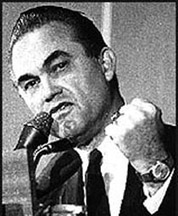
Party: American Independent
Popular Vote: 9,446,167 (12.9%)
Electoral Votes: 46
States: Alabama, Arkansas, Louisiana, Georgia, Mississippi, North Carolina (split)
Candidate: George Corley Wallace
Party: American Independent
Popular Vote: 9,446,167 (12.9%)
Electoral Votes: 46
States: Alabama, Arkansas, Louisiana, Georgia, Mississippi, North Carolina (split)
Back to Top
1956, 1972, 1976, 1988
*In each of these elections, a candidate got a single (1) electoral vote:
Walter Burgwyn Jones in 1956
John Hospers in 1972
Ronald Reagan in 1976
Lloyd Millard Bentsen, Jr. in 1988
*In each of these elections, a candidate got a single (1) electoral vote:
Walter Burgwyn Jones in 1956
John Hospers in 1972
Ronald Reagan in 1976
Lloyd Millard Bentsen, Jr. in 1988
Back to Top
Controversial Elections
Electoral College Table of Contents