





Electoral Reform In Canada
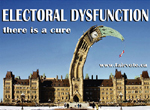 The
advantages of proportional voting are gaining recognition across
Canada. Fair Vote Canada is the leading organization working for
voting reform in the country, analyzing election results and
summarizing developments in the country's electoral reform calendar.
The group recently broke down outcomes of the January 2006
winner-take-all federal election, finding several examples of what it
calls "electoral dysfunction."
The
advantages of proportional voting are gaining recognition across
Canada. Fair Vote Canada is the leading organization working for
voting reform in the country, analyzing election results and
summarizing developments in the country's electoral reform calendar.
The group recently broke down outcomes of the January 2006
winner-take-all federal election, finding several examples of what it
calls "electoral dysfunction."New Democratic Party leader Jack Layton recently has brought proportional voting to the fore. He has made it a cornerstone of recent reelection campaigns, advocating a referendum to reform the electoral system. He made proportional voting's adoption a condition of NDP support for the Liberal minority government last year.
On the national level, the Law Commission of Canada has an electoral reform project that aims to spark public dialogue on the different choices in voting systems, in partnership with Fair Vote Canada. See also Maple Leaf Web for a guide to voting systems and electoral reform, as well as Democracy Watch, a Canadian group that advocates democratic change.
Provinces currently considering electoral reform include New Brunswick, Ontario, Prince Edward Island, British Columbia and Quebec.
[ FairVote Canada Film: "Electoral Dysfunction" - Windows Media File ]
[ Democracy Watch ]
[ Maple Leaf Web's voting systems links ]
[ New Democratic Party of Canada ]
[ Law Commission of Canada ]